Category: Space Analog Fundamentals
-
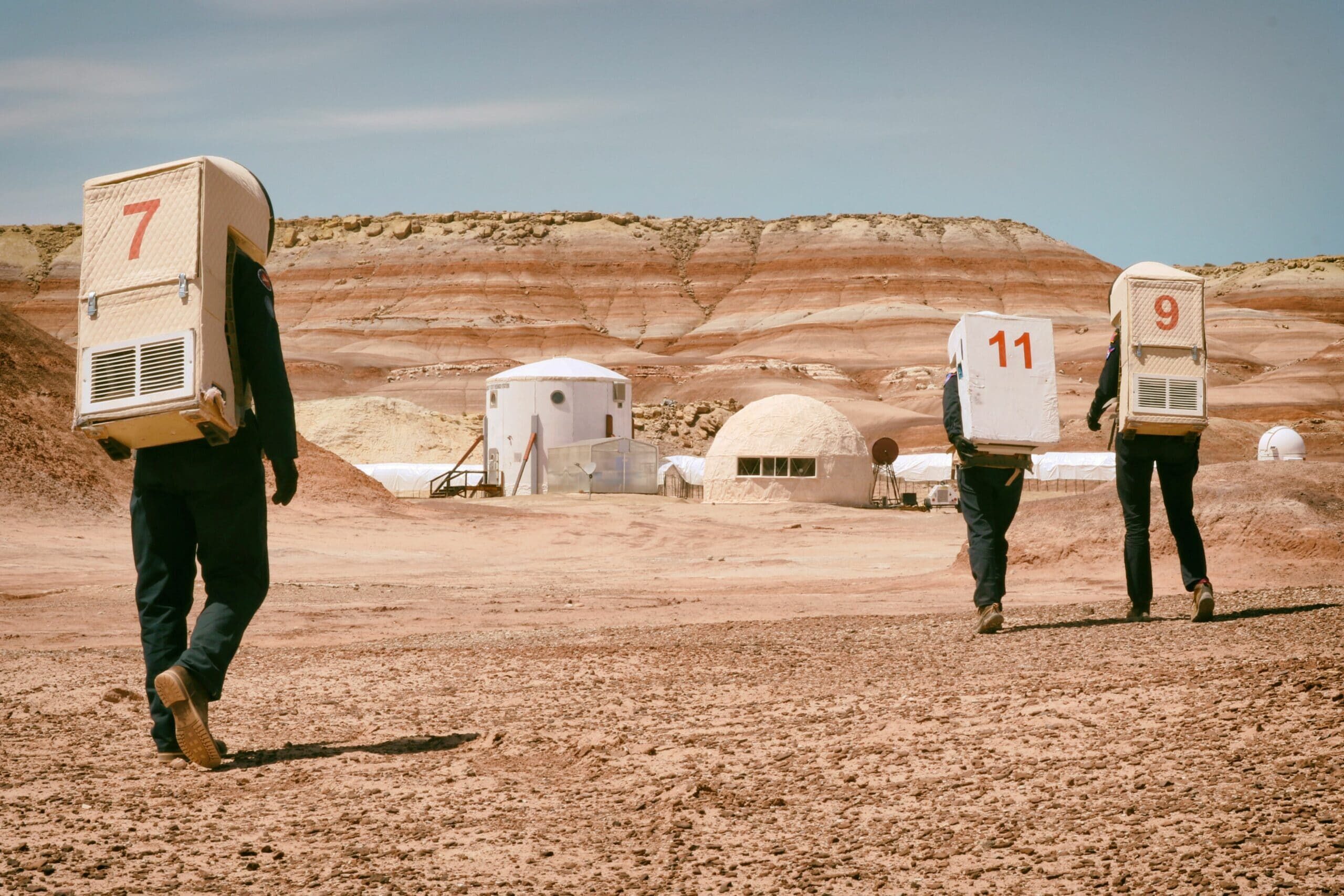
Most scientific research happens in environments where researchers can take their time, access the tools they need, and adjust their plans when things do not go as expected. A future Mars mission would be very different. At the Mars Desert Research Station (MDRS), crews experience what it might be like to conduct science when time,…
-
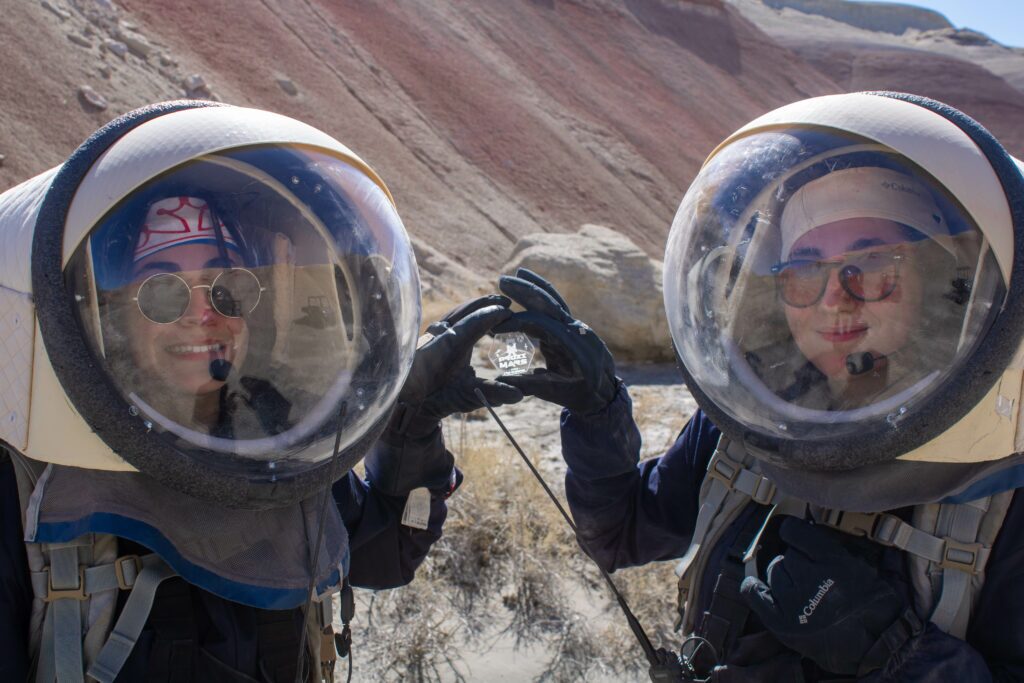
Lauren Wright, Volunteer for JSAR / The Mars Society4 min read Fatigue, Focus, and Team Dynamics in Long-Duration Missions Why Human Performance Matters for Future Missions Beyond hardware and procedures, MDRS crew reports repeatedly emphasize the human experience of living in isolation and confinement. Long workdays, tight schedules, and frequent role-switching are common features of…
-
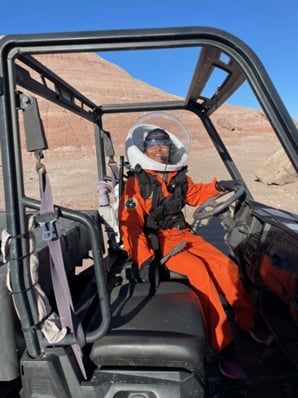
At the Mars Desert Research Station, every EVA is a high-stakes exercise in precision, time management, and decision-making, where success depends on discipline as much as exploration.
-
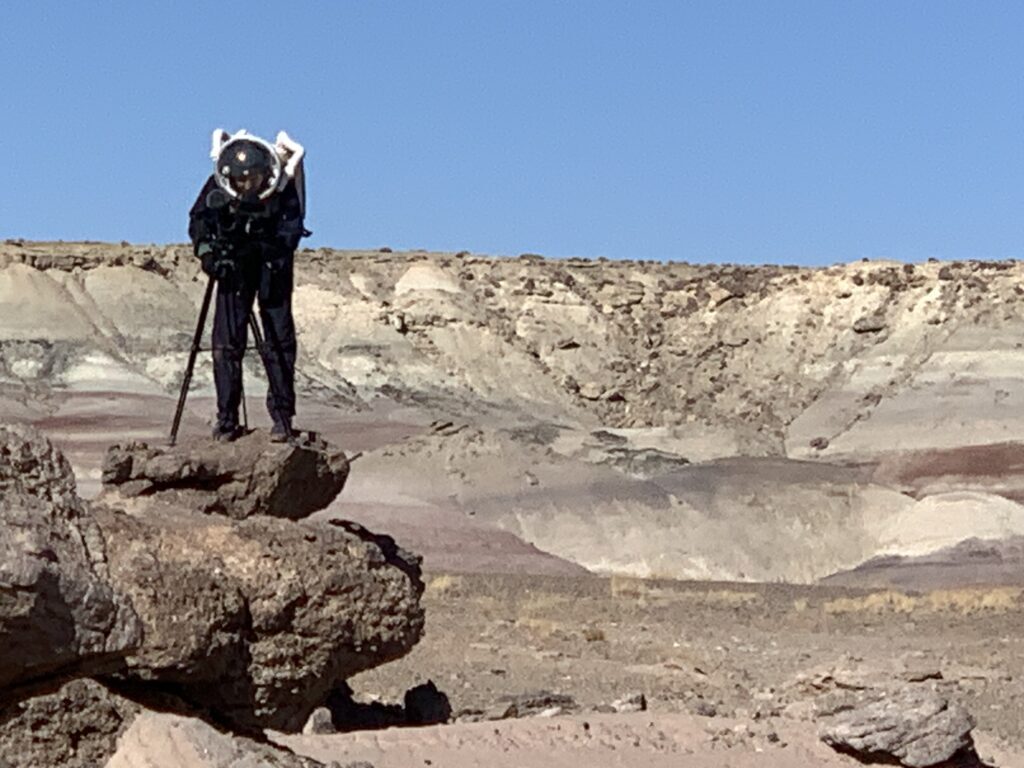
At the Mars Desert Research Station (MDRS), crews quickly learn that mission success depends on far more than science experiments. Daily life inside the habitat revolves around the constant monitoring and documentation of critical systems, power generation, water storage, fuel levels, and environmental conditions.
-

Spacewalks are one of the most demanding tasks in human spaceflight. This article explores how astronauts train for orbital EVAs, with a focus on human performance and safety.
-
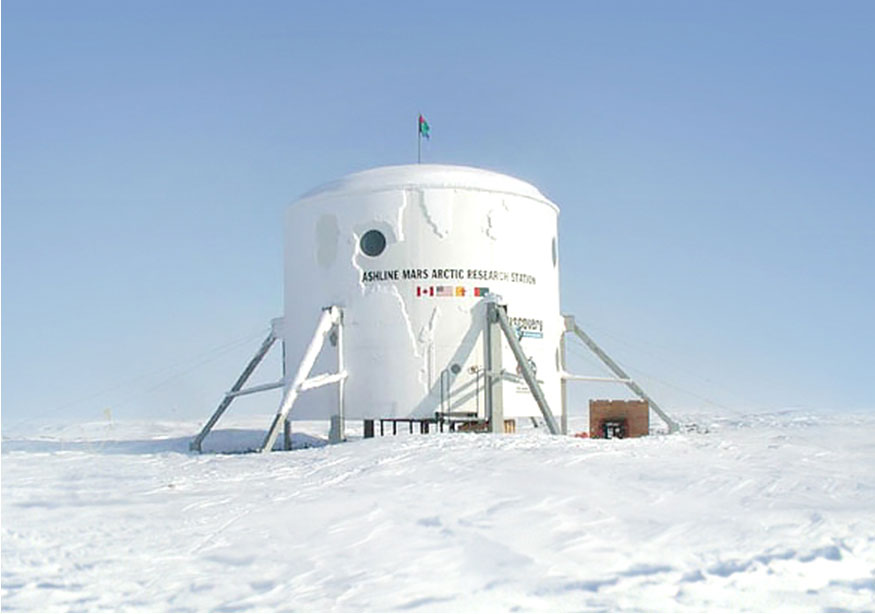
Space analog habitats like MDRS and Flashline help scientists and astronauts simulate life on Mars, advancing research in behavior, health, and teamwork. These Earth-based studies are essential for preparing humanity for future space exploration and long-duration missions.