Most scientific research happens in environments where researchers can take their time, access the tools they need, and adjust their plans when things do not go as expected. A future Mars mission would be very different.
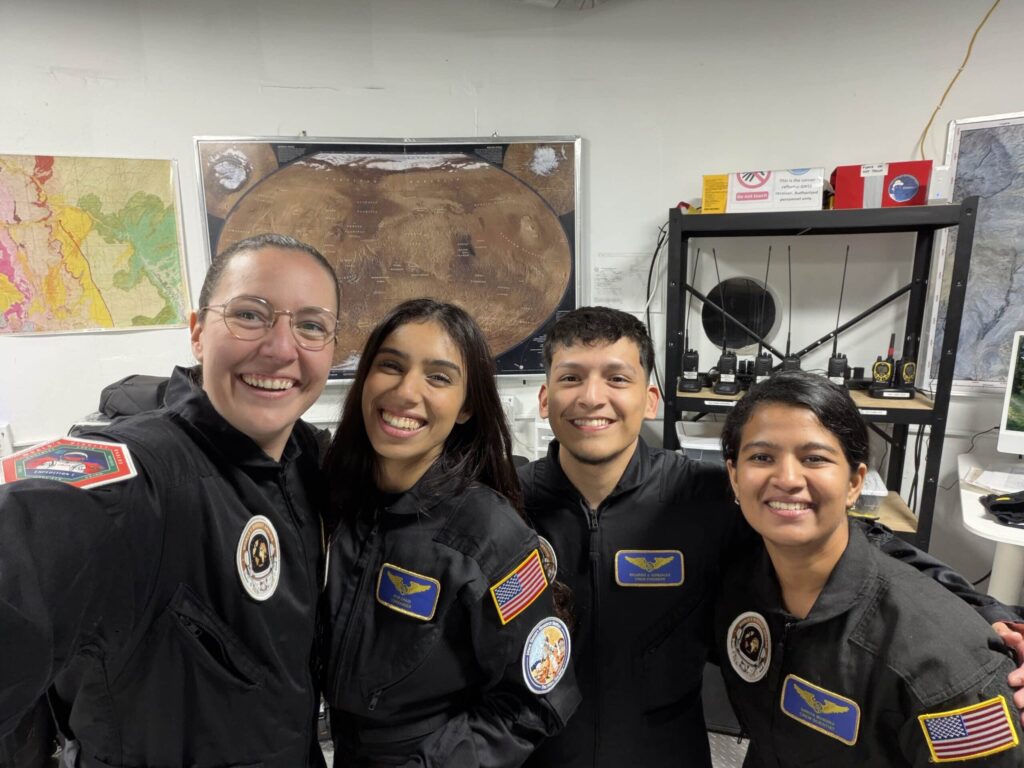
At the Mars Desert Research Station (MDRS), crews experience what it might be like to conduct science when time, resources, and conditions are limited. Whether they are collecting rock samples, testing technology, or planning their next EVA (Extravehicular Activity), every task must fit within the demands of the mission.
That is what makes MDRS unique. It is not just a place where science happens—it is a place where researchers learn how to conduct science under conditions similar to those future astronauts may face on Mars. Across MDRS mission plans, mission summaries, and science reports, one theme appears consistently: successful exploration depends not only on what scientists discover, but also on how effectively they can plan, adapt, and work together.
Science in the Field: More Than Just Collecting Samples
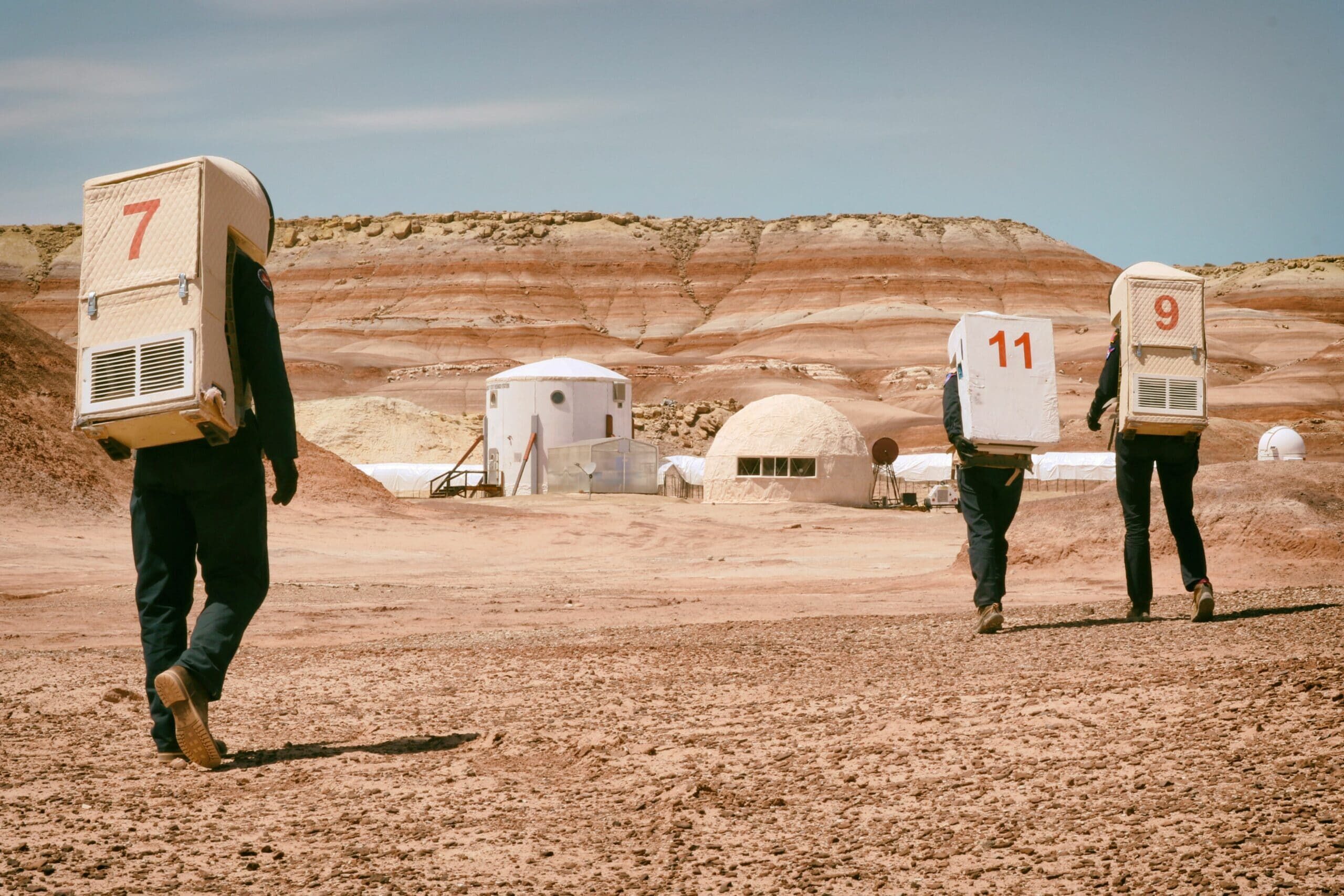
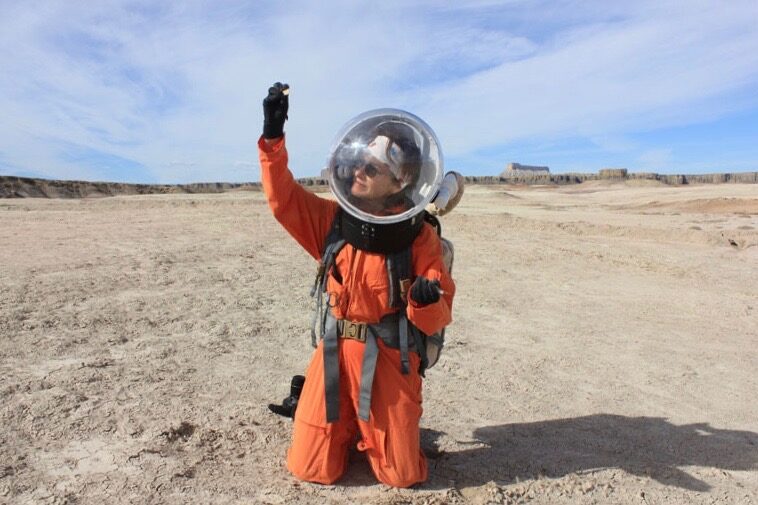
One of the most important parts of an MDRS mission takes place outside the habitat during EVAs.
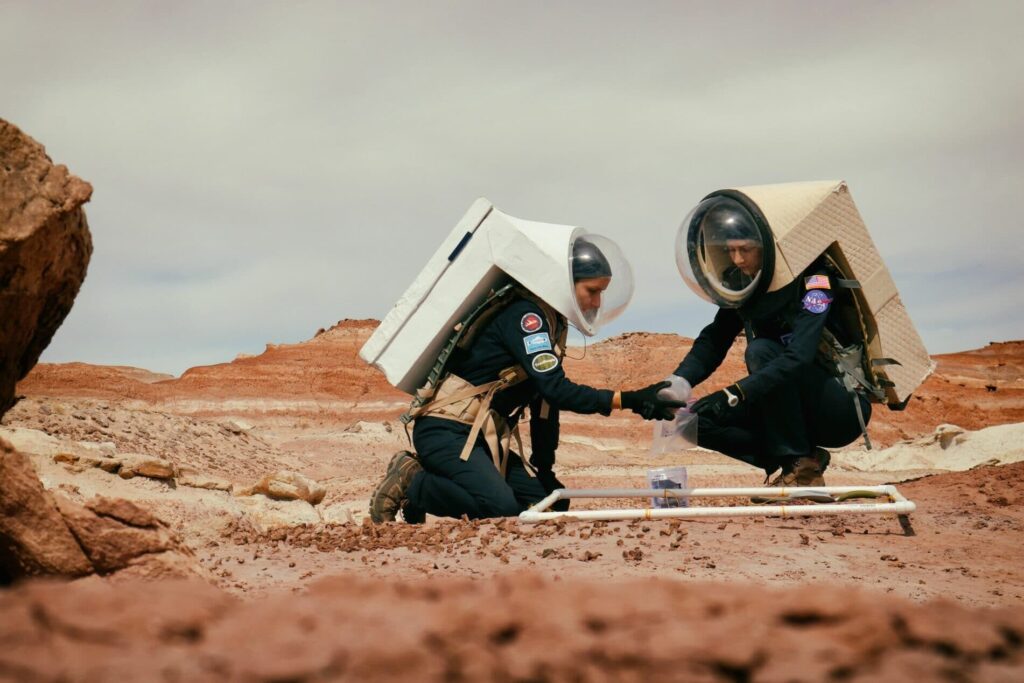
Crew members explore the desert terrain surrounding MDRS to study geological features, collect samples, and document their observations. Recent mission summaries describe crews conducting geological surveys, mapping exercises, and sample collection activities in terrain that helps scientists practice the kind of fieldwork that may one day be carried out on Mars.
However, these activities are about more than simply finding interesting rocks.
During an EVA, crews must manage their time carefully, follow mission procedures, communicate with the habitat, and make decisions about what is worth investigating. They often need to balance scientific goals with operational requirements such as timelines, navigation, safety, and mission objectives.
This balance between science and mission operations is what makes MDRS fieldwork so valuable. It helps crews learn how to conduct research while working within real-world constraints.
Good Science Starts with Good Planning
Before anyone heads into the field, a significant amount of planning takes place.
MDRS missions begin with defined scientific goals and detailed mission plans. These documents outline research objectives, EVA goals, operational priorities, and the methods crews will use to carry out their work. Mission plans have included objectives related to geological investigations, navigation systems, and other research projects designed to operate within simulated Mars mission conditions.
This preparation helps ensure that mission time is used effectively and that research activities can be carried out safely and efficiently.
While exploration often seems exciting and spontaneous, MDRS demonstrates that successful science depends on careful preparation long before crews leave the habitat.
When Science and Technology Work Together
Another recurring theme in MDRS reports is the close relationship between science and technology.
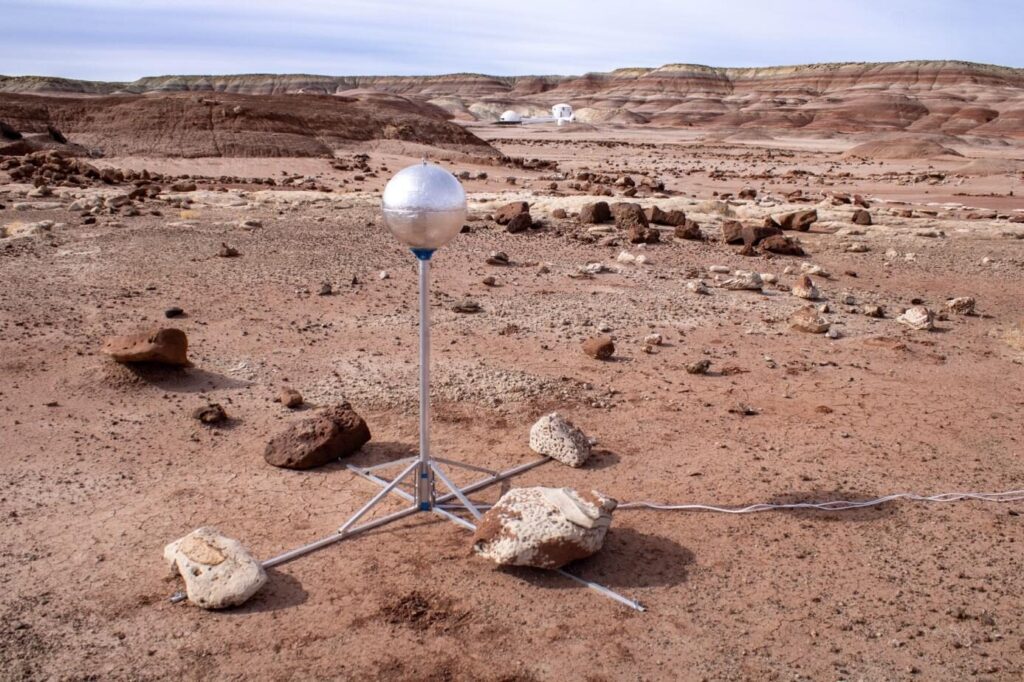
Mission plans and mission summaries have documented projects involving navigation systems, field mapping tools, environmental sensors, and rover-assisted exploration activities. These projects help researchers evaluate how technology can support scientific work in challenging environments.
Rather than replacing human explorers, these tools can help crews work more efficiently, gather better information, and navigate unfamiliar terrain.
This combination of science and engineering reflects how future Mars missions may operate, with astronauts relying on technology to support exploration and decision-making.
What Happens After the EVA?
The scientific work does not end when the crew returns to the habitat.
According to MDRS science reports and mission summaries, crews spend time logging samples, organizing observations, reviewing data, and preparing for future research activities. Findings from one EVA often help shape the objectives of the next.
This continuous cycle of planning, exploring, reviewing, and adjusting is a key feature of MDRS operations.
It reflects an important aspect of planetary exploration: science and mission operations are closely connected. Information gathered in the field influences the decisions crews make moving forward, allowing missions to adapt as new findings emerge.
The Real Value of MDRS
When people think about Mars analog missions, they often focus on the scientific discoveries being made. But one of the most important lessons from MDRS is that discovery is only part of the story.
Research becomes more challenging when time is limited, resources are restricted, and every activity must fit within a larger mission plan. MDRS allows crews to experience those realities firsthand. Mission reports consistently show how scientific goals, operational requirements, teamwork, and adaptability all work together throughout a mission.
Across multiple field seasons, MDRS has demonstrated that successful exploration relies on more than scientific knowledge alone. It requires preparation, collaboration, problem-solving, and the ability to make informed decisions under pressure.
That may be MDRS’s greatest contribution to future space exploration. It is not only helping researchers study questions relevant to planetary science—it is helping them learn how science can be carried out when conditions are difficult, resources are limited, and every decision matters.